菊 · CHRYSANTHEMUM
Chrysanthemum
The flower of the emperor and the funeral — imperial perfection and the acceptance of death in a single bloom.
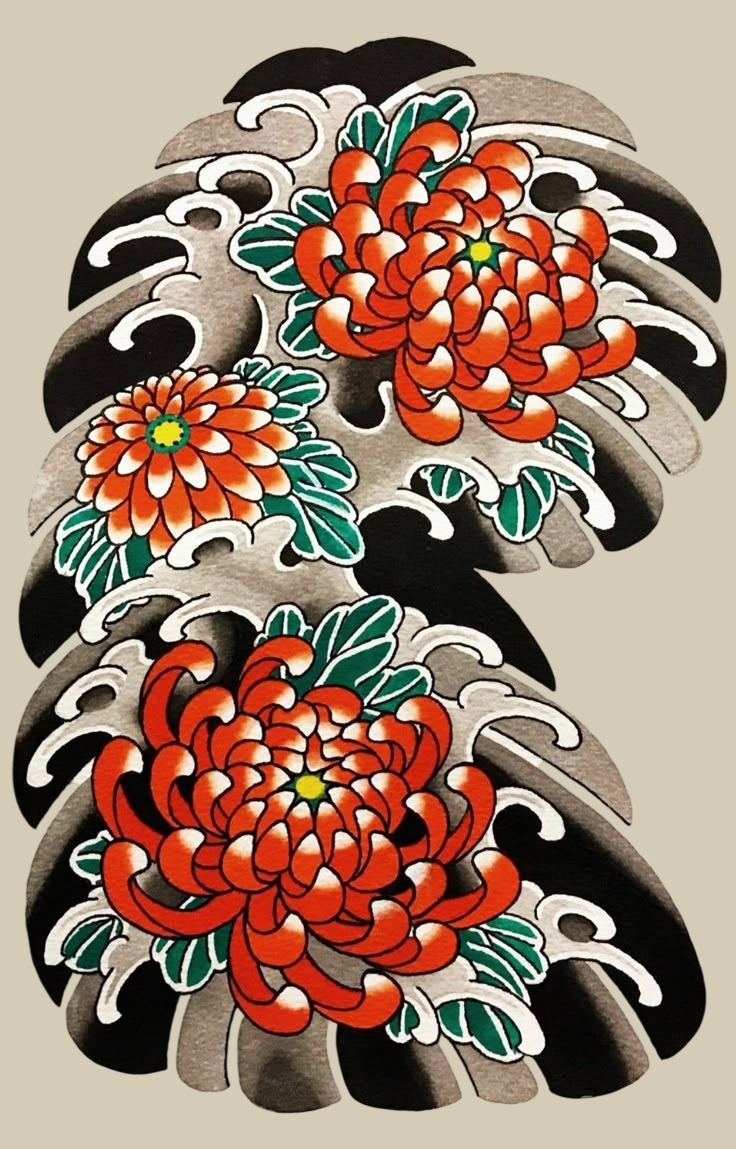
The chrysanthemum arrived in Japan from China over a thousand years ago, first valued for medicine, then for beauty. Its petals radiate outward like rays of the sun — and for a country whose imperial line descends from the sun goddess Amaterasu, that connection was never incidental. Japan calls it its solar flower. Each autumn the country celebrates Kiku Matsuri — the Chrysanthemum Festival — with elaborate displays that have continued since the Heian period, one of the oldest living expressions of the flower's place at the center of Japanese cultural life.
The imperial connection runs deep. Emperor Go-Toba placed the motif on his kimono and sword in the 13th century. Emperor Go-Daigo carried it on his war banners a century later. Today the emperor sits on the Chrysanthemum Throne, bears the sixteen-petal Chrysanthemum Crest as the royal seal, and awards the Supreme Order of the Chrysanthemum as the nation's highest honor. Its long autumn bloom, perennial strength, and medicinal history made it the symbol of longevity and perfection — the ideal flower for an emperor seeking a lasting reign.
The chrysanthemum also carries death. It is the flower of funerals and cemeteries, associated with the desire for a beautiful death, and never given as a gift. In irezumi this dual nature is the whole point — imperial perfection and mortality in the same bloom. Those who live dangerously wear it as a declaration of readiness for death at a moment's notice.
Famous narrative motifs
The stories behind the chrysanthemum
Specific legends and figures that appear again and again in irezumi — each one its own composition with its own rules.
- 01菊紋章 / Kiku Monshou
The Chrysanthemum Throne
The chrysanthemum's imperial journey began in the 13th century when Emperor Go-Toba became devoted to the flower, placing its motif on his kimono and sword. Emperor Go-Daigo carried it into war on his banners a century later. The association proved permanent. The Japanese emperor today sits on the Chrysanthemum Throne — the oldest continuous hereditary line in the world — bears the sixteen-petal Chrysanthemum Crest as the royal seal, and awards the Supreme Order of the Chrysanthemum as the nation's highest honor. In irezumi the sixteen-petal crest form is a direct invocation of that entire history — national identity, imperial lineage, and centuries of accumulated meaning in a single graphic form.
Source · Imperial chrysanthemum symbolism documented from the Heian period onward. Chrysanthemum Throne and Crest still in active use by the Japanese Imperial Household.
Artwork — the chrysanthemum in practice
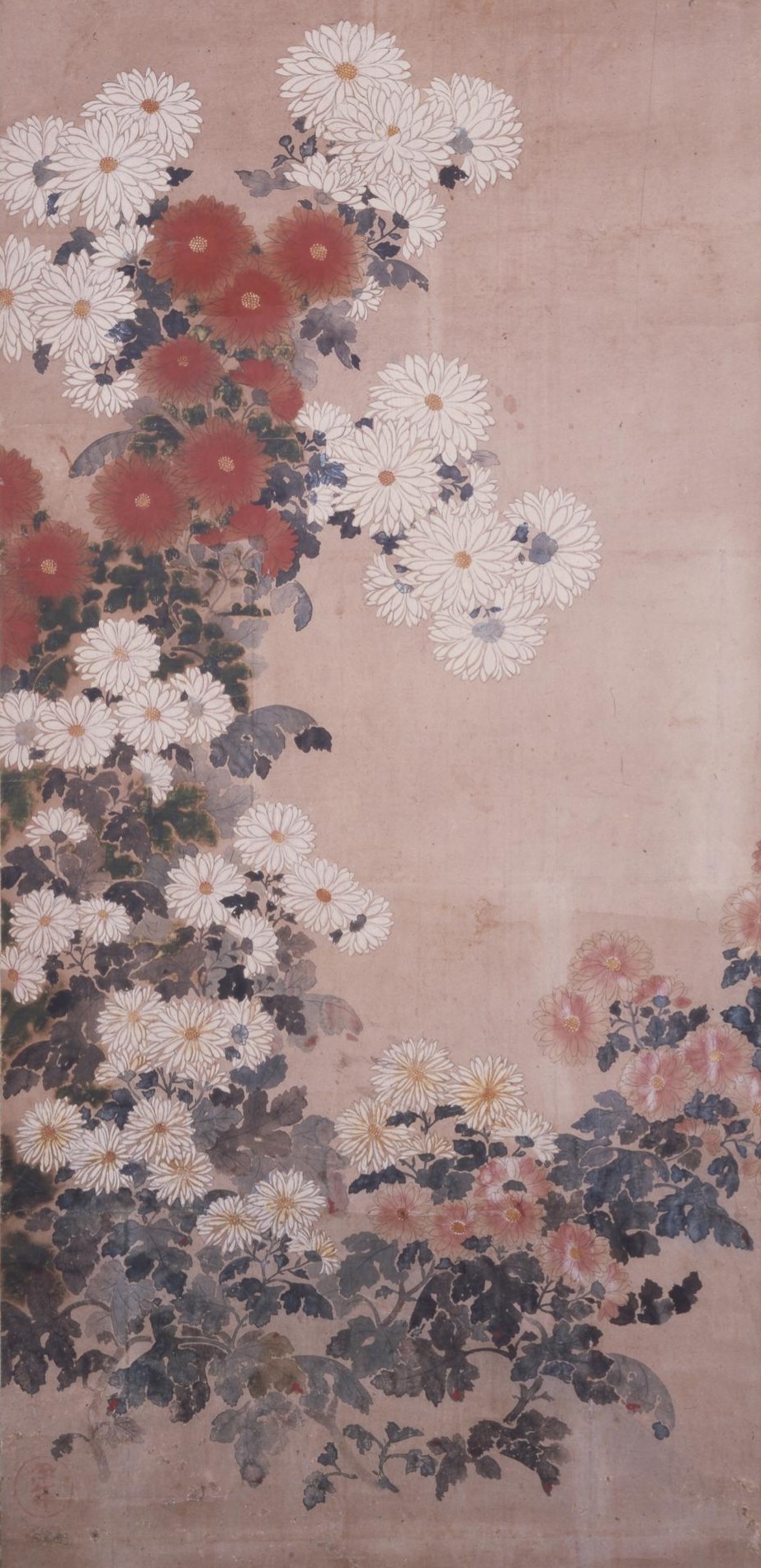
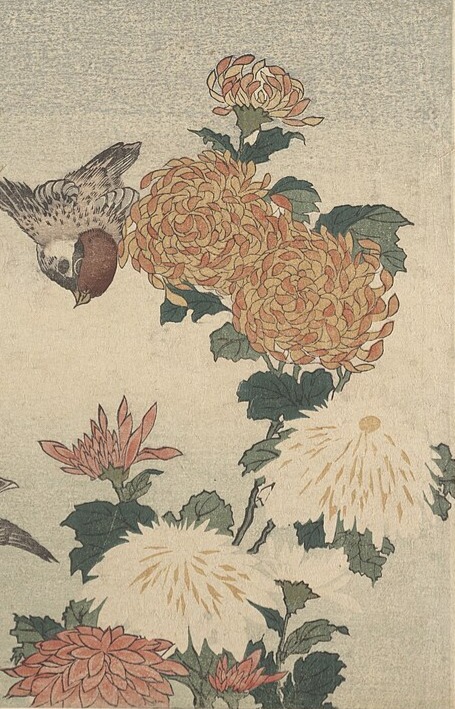
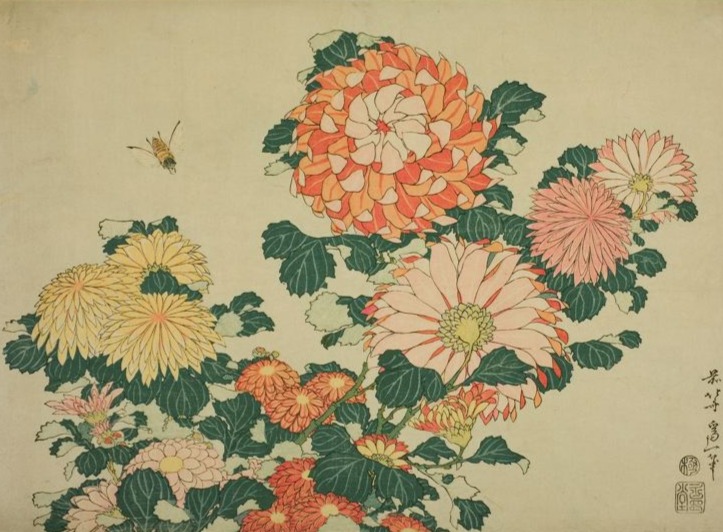
"The chrysanthemum blooms in autumn, outlasts the heat, and stands at the emperor's throne and the funeral gate alike."
What it's saying
In context
The meaning shifts with direction, pairing, and composition. A short label is never the whole answer.
Chrysanthemum as imperial emblem
The sixteen-petal kiku monshou is the seal of the Japanese emperor. In irezumi this form carries an unmistakable meaning: a direct reference to the throne, national identity, and the weight of imperial history. One of the few motifs that functions simultaneously as personal and national statement.
Chrysanthemum as funeral flower
The chrysanthemum is the flower of Japanese funerals and cemeteries — never given as a gift for this reason. In irezumi this gives the motif a darker edge beneath its imperial surface. Those who live with constant risk — historically samurai, later those on the edges of society — wear it as a declaration of acceptance. A beautiful death, met without flinching.
Chrysanthemum as autumn motif
Kiku is an autumn flower and must be combined with elements that share that seasonal register. Combined with maple leaves it doubles down on autumnal melancholy. Combined with spring motifs like cherry blossom or peony it creates a seasonal mismatch that falls outside traditional convention.
Chrysanthemum + dragon or phoenix
The chrysanthemum's imperial associations make it a natural companion to other imperial motifs. Paired with the dragon or phoenix it reinforces a reading of divine authority and noble power — the full weight of Japanese imperial symbolism in a single composition.
Kikusui — chrysanthemum on water
A specific named composition: chrysanthemum blossoms floating on flowing water. It draws from a Noh theatre play in which drinking morning dew collected on chrysanthemum petals grants eternal youth. The image combines longevity with the purifying quality of water. Kikusui also became the name of a celebrated sake — showing how deeply the image embedded itself in Japanese culture beyond art and tattooing.